




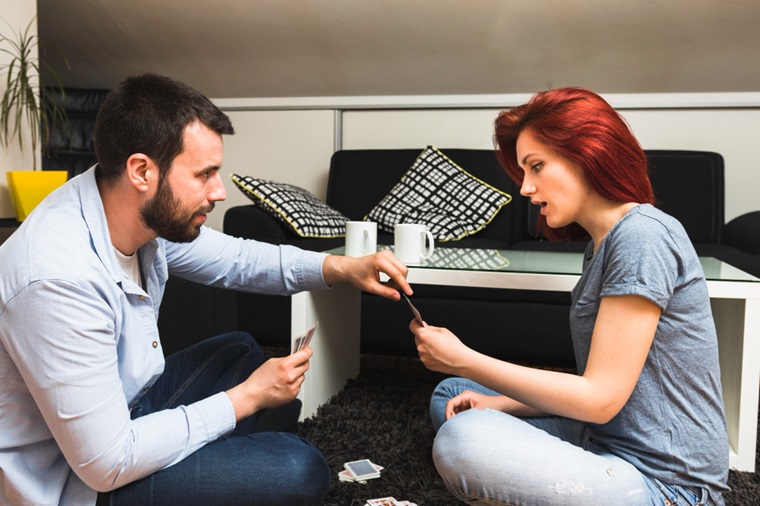

You found out. Maybe last week, maybe an hour ago. Either way, the person across from you feels like a stranger wearing a familiar face.
If you’re searching for how to fix a relationship after cheating, you’re probably not after a pep talk. You want to know whether repair is real, what it costs, and whether you’re being naive for even considering it. That’s a fair thing to want.
Key Takeaways
- Repair is possible, but it needs real change from both people, not just an apology.
- Avoid permanent decisions in the first 30 days. Your brain is in survival mode.
- Ask for enough truth to feel safe. Skip the details you can’t unsee.
- Trust returns through small, boring consistency, not big emotional promises.
- Healing moves in loops, not a line. A bad week doesn’t mean you failed.
- If there’s no remorse and no change, staying will cost more than leaving.
What Actually Happens to You After You Find Out
Before you decide anything, it helps to understand why you don’t feel like yourself. What you’re going through sits closer to trauma than to a normal breakup.
Your nervous system has flagged the safest person in your life as a threat. So you check phones at 3AM. You reread old messages. You replay scenes you were never even in.
Therapists sometimes call this post-infidelity stress, and it behaves a lot like other trauma responses. Appetite goes. Sleep goes. Your concentration at work quietly falls apart.
There’s also the strange grief of not knowing what to mourn. The relationship still exists. It’s just no longer the one you thought you were in.
One thing people rarely expect is how much the shape of the betrayal matters. An emotional affair can wound deeper than a one-night thing, because the secrecy lasted longer and the intimacy was real. It helps to name the kind of betrayal you’re dealing with . The repair looks different for each one.
You’re not overreacting. Your body is doing exactly what bodies do.
How to Fix a Relationship After Cheating: What the First 30 Days Need
The first month is not for fixing anything. It’s for keeping yourself steady enough to think clearly later.
Don’t make permanent decisions yet. Not to leave, not to forgive, not to get married faster to prove something. Decisions made in the first weeks are made by adrenaline.
Get enough information, then stop. You need to know the scope: how long, how often, is it over. You do not need to know what was said in bed. Those details lodge in your memory and replay for years.
Tell one or two people, not twenty. Every person you tell forms a permanent opinion about your partner. You’ll feel that at family dinners for years. Pick one friend who asks questions instead of giving verdicts.
Ask for contact to end completely. No closure conversation, no lingering friendship, no work-around. If the person who cheated argues for a soft ending, that tells you something.
Don’t even the score. The revenge affair, the cruel text, the broadcasting it on social media. None of it makes the ache smaller, and all of it becomes something new to repair.
If you make it through a month with the bleeding stopped, you’ve done the hard part of the hard part.
The Conversations That Rebuild Trust, and the Ones That Wreck It.
At some point you’ll need to talk about what happened. How those conversations go will tell you more about your future than any promise will.
Watch for remorse versus regret. Remorse focuses on your pain. Regret focuses on their consequences. “I hate that I did this to you” is remorse. “I hate that this blew up my life” is not.
Watch for defensiveness, too. If every conversation ends with a list of your failures, repair isn’t happening. Something else is.
That said, there’s a difference between blame and honesty. A partner can be fully responsible for their choice while you both look clearly at what the relationship had become. Understanding the reasons people cheat in the first place isn’t about excusing anything. It’s about knowing what you’d both have to change for this not to happen again.
Set a limit on these talks. Two hours of circling at midnight helps nobody. Twenty honest minutes in daylight does more.
If you keep landing in the same argument, bring in a therapist. That isn’t failure.
How to Get Over Cheating When You’re the One Who Stayed
Deciding to stay doesn’t switch off the pain. This is the part almost nobody prepares you for, and it’s where most people feel loneliest.
Learning how to get over cheating while still living with that person means holding two things at once. You’re grieving and repairing in the same house, often in the same hour.
Expect triggers. A song, a hotel lobby, the specific ping of a notification. Triggers aren’t relapses. They’re just old alarm wiring firing on schedule.
Expect anger to show up late. Many people feel numb first and furious three months in, right when everyone around them assumes it’s resolved.
Forgiveness is also not one decision you make on a Tuesday. It’s something you choose repeatedly, on days when you don’t feel like it. It’s allowed to be partial for a long time.
Be careful with resentment you never say out loud. Silent scorekeeping poisons more relationships than the original betrayal does. Say the thing when it’s still small.
And if you’re stuck in the bitter phase, that’s normal too. Sitting with the anger you’re not supposed to admit to is part of the process, not a detour from it.
What Repair Actually Looks Like Six Months In
Here’s the timeline the internet keeps hiding from you. Most couples who rebuild successfully describe one to two years before things feel steady again.
At six months, transparency should feel less like surveillance. Open phones and shared locations are reasonable early on. They’re meant to be scaffolding, not a permanent security system.
You’ll also notice the conversations changing. Less interrogation, more curiosity. Fewer questions about them, more about the two of you.
Relationship therapists often point out that couples who make it don’t return to the old relationship. They build a different one, usually with better boundaries and far more direct communication than before.
Some couples genuinely end up closer. That’s real, and it’s worth saying out loud. It’s also not guaranteed, and anyone promising you that outcome is selling something.
Progress here looks boring from the outside. Consistency, kept plans, hard conversations that don’t explode. Boring is the goal.
When the Honest Answer Is No
You deserve a section that doesn’t push you toward staying. Sometimes the healthiest move is to stop trying, and you’re allowed to reach that conclusion without guilt.
Consider stepping back if contact with the other person hasn’t stopped. Consider it if the apology only appears when you cry. Consider it if this has happened before under a different name.
Consider it if you’re told to be over it on their schedule. Repair has no deadline set by the person who caused the damage.
And if there’s any physical fear, coercion, or threat involved, this stops being a repair question entirely. That’s a safety question, and you deserve support from a professional or a local domestic abuse service.
Leaving isn’t the failure of the relationship. Sometimes it’s the most self-respecting thing available to you.
Frequently Asked Questions
Not to the old normal, no. What couples describe is a different relationship built on the same foundation, often with more honesty than before. Plenty of people find that version better. Plenty of others find they were only staying out of fear, and that’s worth knowing too.
Most people feel the sharpest pain for three to six months. Real stability tends to arrive one to two years in. Triggers can surface well beyond that. If you’re a year in with no change at all, working with a therapist usually shifts things.
Tell one or two people you trust to listen rather than judge. The more people who know, the more opinions you’ll have to manage while you’re already depleted. You can always share more later. You can’t unshare it.
You need what affects your safety and your decision. That means duration, frequency, whether it’s truly over, and STI testing. Graphic specifics tend to create mental images that stay for years. Ask what you need, not what your anxiety demands.
No. The choice to cheat belongs entirely to the person who made it. That said, most couples do find real problems underneath, and looking at those together is part of building something sturdier. Responsibility for the relationship is shared. Responsibility for the betrayal isn’t.


