




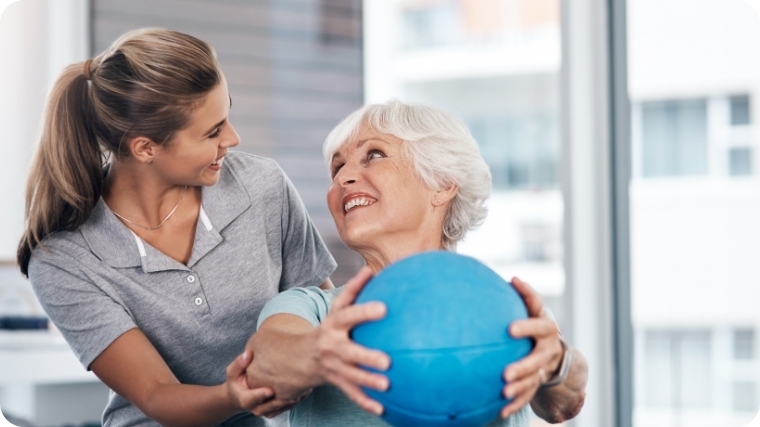

Self-care is often associated with rest, relaxation, and taking a break from demanding routines. While those things can certainly help, self-care can also mean intentionally doing something that supports your physical and mental well-being. Exercise is one of the most practical ways to do that.
The key is changing the way we think about movement. Instead of treating every workout as a test of discipline or a way to compensate for what we ate, exercise can become time deliberately set aside to care for the body. Whether that means strength training, Pilates, mobility work, or a combination of different activities, movement can become a sustainable part of a healthier lifestyle.
Moving Beyond the “No Pain, No Gain” Mentality
Fitness culture has traditionally celebrated intensity. Harder workouts, heavier weights, longer sessions, and more calories burned are often presented as signs of success.
But an effective exercise routine does not have to leave you exhausted every day.
A self-care approach asks a different question: What type of movement would benefit my body today?
Some days, the answer might be a challenging strength session. On another day, it could be Pilates, stretching, walking, or recovery work. Listening to your body does not mean avoiding difficult exercise. It means understanding when intensity is productive and when recovery may be more useful.
This mindset can make exercise easier to maintain because every session does not have to become a battle with yourself.
Strength Training Can Be an Investment in Yourself
Strength training offers benefits that extend beyond appearance. Building and maintaining muscle can support everyday movement, physical capacity, balance, and long-term independence.
For people who spend much of their working day sitting, structured strength training can also provide an opportunity to move through ranges of motion that may be missing from daily life.
A training environment such as Lift Silverlake can fit into a broader self-care routine by giving people dedicated time to focus on strength, movement, and physical development. The important part is approaching the session with intention rather than treating exercise as punishment.
Progress can also be measured in more meaningful ways than appearance alone. Completing an exercise with better control, gradually increasing resistance, improving technique, or simply becoming more consistent are all legitimate forms of progress.
Pilates Encourages You to Pay Attention to Movement
One reason Pilates works particularly well within a self-care mindset is its emphasis on controlled, purposeful movement.
Instead of rushing through repetitions, Pilates typically encourages awareness of breathing, alignment, stability, and how different parts of the body work together. That concentration can turn an exercise session into a period where attention shifts away from emails, deadlines, notifications, and other everyday distractions.
It is still exercise, but it can also create valuable mental space.
For someone exploring Palo Alto Pilates, the practice can provide a structured way to develop strength, mobility, balance, and greater awareness of movement. The goal does not necessarily have to be pushing the body to its limit. It can simply be learning to move with greater control and confidence.
That distinction matters when exercise is being used as part of a sustainable wellness routine.
Stop Measuring Every Workout by Calories
One of the easiest ways to make exercise feel like an obligation is to judge every workout by how many calories it burns.
Calories are only one small part of the exercise equation.
A workout may also help you develop strength, improve mobility, practice coordination, maintain cardiovascular fitness, manage everyday stress, or simply spend less time sitting.
Consider keeping track of different questions instead:
- Did I feel stronger than I did a month ago?
- Is my technique improving?
- Am I moving more comfortably?
- Am I becoming more consistent?
- Do I feel better after exercising?
- Am I enjoying the activities I have chosen?
These measurements can create a healthier relationship with movement because progress is no longer tied exclusively to the scale or a fitness tracker.
Build a Routine Around What Your Body Needs
There is no universal exercise routine that works perfectly for everyone.
Someone who enjoys lifting weights might build their week primarily around strength training and add Pilates or mobility sessions for variety. Someone else might prefer Pilates as their primary form of exercise while incorporating walking and occasional resistance training.
Your schedule matters too.
A routine requiring six workouts every week is not necessarily better than three well-planned sessions that you can consistently maintain. Exercise becomes much more useful as self-care when it fits into your actual life rather than constantly making you feel as though you are falling behind.
Recovery Is Part of Training
Rest days are not failed workout days.
Exercise places stress on the body, and recovery gives it time to adapt. Sleep, nutrition, hydration, mobility, and appropriate rest all contribute to the larger fitness picture.
This is particularly important when combining multiple forms of training. Someone doing resistance training, Pilates, cardio, and recreational activities needs to consider the total amount of physical stress across the week.
Recovery can therefore be intentional rather than accidental. Scheduling an easier session or taking a day away from structured exercise may help you return to your next workout feeling physically and mentally prepared.
Make Exercise Something You Want to Return To
The most effective fitness routine is rarely the most extreme one. It is usually the one you can continue.
That means enjoyment matters.
You may enjoy the measurable progression of strength training, the precision of Pilates, the energy of group classes, or the simplicity of walking outdoors. There is no requirement to love every minute of every workout, but your overall relationship with movement should not be built entirely around guilt and obligation.
When exercise becomes something you choose because it supports your well-being, consistency can feel much more natural.
Self-Care Can Be Active
Taking care of yourself does not always mean doing less. Sometimes it means intentionally doing something that helps you feel stronger, move better, and reconnect with your body.
Exercise can provide exactly that opportunity.
The shift happens when movement stops being viewed solely as a way to change appearance and starts becoming a way to support health, strength, confidence, and quality of life.
Some days self-care might mean resting. On other days, it might mean showing up for a workout.
Both can be valuable when you learn to recognize what your body genuinely needs.


