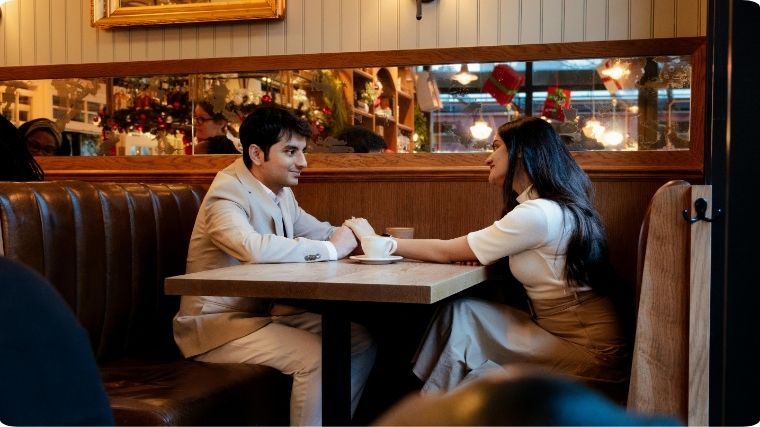




Dating used to be simple. You liked someone, you asked them out, and that was it. But now? The dating world has its own language. If you’ve heard words like “ghosting” or “breadcrumbing” and felt completely lost, you’re not alone.
Modern dating terms have taken over how we talk about relationships today. These words describe situations that have always existed, but now we finally have names for them. Whether you’re texting someone new or trying to understand what your friend means when they say they got “benched,” this guide will help you speak the language of love in 2025.
Let’s break down over 25 current dating terms that everyone from Gen Z to Millennials uses every single day.
What Are Modern Dating Terms and Why Do They Matter?
Modern dating terms are words and phrases people use to describe their romantic experiences in today’s world. These terms help us explain complicated feelings and situations that didn’t have names before.
Think about it this way. Before we had the word “ghosting,” how would you describe when someone suddenly stopped replying to your messages? You’d probably say something long like “they just disappeared without explaining why.” Now you can simply say “they ghosted me,” and everyone gets it immediately.
These dating terms matter because they give us power. When you can name what’s happening to you, you can talk about it with friends, set boundaries, and recognize red flags faster. A study from the Pew Research Center found that 30% of U.S. adults have used dating apps, and these platforms have created new behaviors that needed new vocabulary.
Dr. Jenn Mann, a relationship therapist, explains that having language for dating behaviors “helps people identify patterns and make better choices in their romantic lives.” When you know what “love bombing” means, you can spot it happening and protect yourself.
How Did Modern Dating Terms Become So Popular?
Social media changed everything. Apps like TikTok, Instagram, and Twitter made it easy for new words to spread fast. Someone creates a term that perfectly describes a dating situation, posts about it, and within days millions of people are using it.
Online dating terms especially grew because dating apps created new experiences. Before Tinder and Bumble, you couldn’t swipe through hundreds of potential dates while sitting on your couch. These new situations needed new words.
Gen Z and Millennials grew up with technology as part of dating. For them, texting someone for weeks before meeting is normal. Having multiple conversations going at once is expected. These millennial dating terms reflect how dating happens differently now than it did 20 years ago.
Plus, these terms are honest. They call out bad behavior instead of making excuses for it. Previous generations might have said someone was “busy” or “not ready for commitment.” Now we say they’re “breadcrumbing” or “benching” you, which more accurately describes what’s really happening.
What Are the Most Common Modern Dating Terms Everyone Uses?
Let’s start with the basics. These are the modern dating terms you’ll hear most often in 2025.
- Ghosting happens when someone you’re talking to or dating suddenly stops all communication. No text, no call, no explanation. They just vanish like a ghost. Research from the Journal of Social and Personal Relationships found that 25% of people have been ghosted by a romantic partner.
- Breadcrumbing is when someone sends you just enough attention to keep you interested but never actually commits to plans or a relationship. They drop little “breadcrumbs” of affection like occasional texts or likes on your posts.
- Benching means keeping someone as a backup option. They don’t want to date you right now, but they keep you “on the bench” in case their other options don’t work out.
- Orbiting describes when someone stops direct communication but still watches all your social media stories and likes your posts. They’re “orbiting” around your life without actually being in it.
- Zombieing is when someone who ghosted you suddenly comes back to life and messages you again, often with a casual “hey” like nothing happened.
These five terms describe patterns that happen constantly in modern relationships. Knowing them helps you recognize when someone isn’t treating you right.
Why Do People Use Funny Dating Terms to Describe Serious Situations?
You might notice that many funny dating terms sound playful even when they describe hurtful behavior. There’s a reason for that.
Humor helps us cope with pain. When you’ve been hurt by someone ghosting or breadcrumbing you, it feels a bit better to laugh about it with friends using a clever term. It takes away some of the sting.
These terms also spread faster when they’re catchy and memorable. “Ghosting” sounds more interesting than “suddenly stopping communication.” “Zombie-ing” is more fun to say than “returning after previously disappearing.”
But here’s the important part. Just because the terms sound funny doesn’t mean the situations are okay. Getting ghosted really hurts. Being benched damages your self-esteem. The playful language helps us talk about these things, but we should still take the feelings seriously.
Sarah, a 26-year-old from Chicago, shared her experience: “When I learned the term ‘breadcrumbing,’ I realized that’s exactly what my ex was doing. Having a word for it helped me see it clearly and finally block him.”
What Are Gen Z Relationship Terms That Define Dating in 2025?
Gen Z relationship terms often focus on setting boundaries and understanding different relationship styles. This generation talks more openly about what they want and need.
- Situationship describes when you’re more than friends but not officially in a relationship. You hang out regularly, maybe even act like a couple, but nobody has defined what you are. A 2024 survey found that 43% of young adults have been in a situationship.
- Soft launching means dropping subtle hints about your new relationship on social media before making it official. You might post a photo where your partner’s hand is visible, or share something they said without naming them.
- Hard launching is the opposite. This is when you officially announce your relationship with clear photos and posts identifying your partner.
- DTR (Define The Relationship) is the actual conversation where you both agree on what you are. Are you exclusive? Are you boyfriend and girlfriend? This talk can feel scary but it brings clarity.
- Rizz is short for charisma. If someone has rizz, they’re good at flirting and attracting romantic interest. You might hear “he has so much rizz” or “she rizzed him up.”
- Love bombing happens when someone overwhelms you with excessive affection, gifts, and attention very early in dating. It feels amazing at first but often turns into controlling behavior later. Relationship experts warn this is a major red flag.
How Do You Recognize Harmful Dating Behaviors Through These Terms?
Not all modern dating terms describe fun or neutral things. Many point out behaviors that hurt people. Learning these helps you protect yourself.
- Gaslighting is when someone manipulates you into questioning your own reality. They might deny things they clearly said or did, making you feel crazy for remembering correctly.
- Stashing occurs when someone dates you but refuses to introduce you to their friends or family, or post about you on social media. They’re essentially hiding you away or “stashing” you.
- Cushioning means keeping backup romantic options while you’re in a relationship. Someone might flirt with others “just in case” their current relationship ends.
- Cookie jarring is similar. You’re being kept as an option they can reach for whenever they want attention, like a cookie in a jar.
- Cuffing season refers to fall and winter when people want a partner to “cuff” or tie down for the cold months. The problem? They often end things when spring comes. If someone only wants you during cuffing season, they’re using you for temporary comfort.
Dr. Rachel DeAlto, a relationship expert, notes that “recognizing these patterns early can save you months or years of emotional investment in someone who isn’t treating you with respect.”
What Are Dating Terms to Describe Someone You’re Interested In?
Not all dating terms to describe someone are negative. Here are words people use for romantic interests they actually like.
- Catch means someone who’s a great partner. If your friend says “he’s a total catch,” they mean he’s attractive, kind, fun, and worth dating.
- Snack or whole meal describes someone extremely attractive. A snack is hot, but a “whole meal” is absolutely stunning and has a great personality too.
- Keeper refers to someone worth holding onto for a long-term relationship. They have qualities that make them marriage material.
- Ship comes from “relationship” and means you support or hope for two people to be together. You might say “I ship them so hard” about a couple you love.
- Main character energy describes someone who lives confidently like they’re the star of their own life story. It’s attractive because they don’t wait around for others to make them happy.
When Should You Have a Talk About What You Are?
The DTR conversation feels awkward, but it’s necessary. Here’s when to have it.
If you’ve been seeing someone regularly for about two months, it’s reasonable to ask what you are. If you’re acting like a couple (spending most weekends together, meeting each other’s friends, being intimate), you deserve to know if you’re exclusive.
Signs you need to define the relationship include feeling confused about where you stand, wanting to delete your dating apps but feeling unsure if you should, or wondering if you’re allowed to date other people.
Jake, a 28-year-old from Austin, shared his story: “I waited six months to ask because I was scared she’d say we were just casual. Turns out she thought we were already exclusive and was waiting for me to say something. We wasted half a year being confused when we wanted the same thing.”
The conversation doesn’t need to be dramatic. You can simply say, “I really enjoy spending time with you and I’d like to know where you see this going.” Honest communication always beats confusion.
How Has Online Dating Changed Modern Relationship Terms?
Online dating terms exist specifically because of apps and digital communication. These didn’t exist before smartphones.
- Swiping means browsing through profiles on dating apps, moving left for “no” and right for “yes.” It’s become so common that people use it outside dating too.
- Catfishing happens when someone creates a fake online identity with false photos and information to trick others into relationships.
- Kittenfishing is a lighter version where someone exaggerates or slightly lies about themselves. They use old photos from when they were thinner, or add two inches to their height. It’s still dishonest but less extreme than catfishing.
- Phubbing (phone snubbing) means ignoring the person you’re with by staring at your phone instead. On dates, this shows disinterest and disrespect.
- Haunting is like orbiting. Someone from your past who you’re no longer talking to keeps interacting with your social media profiles.
According to a Stanford study, 39% of heterosexual couples now meet online, making these digital dating terms incredibly relevant to modern relationships.
What Do These Modern Dating Terms Say About Today’s Relationships?
The explosion of modern relationship terms tells us something important about how we date now. We have more options than ever before, which creates more complicated situations.
Dating apps give us access to hundreds of potential partners, which sounds great but actually makes commitment harder. When you’re always wondering if someone better is just one swipe away, it’s easy to treat people as disposable. That’s where terms like benching and cushioning come from.
We’re also more honest about bad behavior now. Previous generations dealt with the same issues, but nobody talked about them openly. Now we call things what they are. That’s actually healthy progress.
These terms also show we’re thinking more about what we want. Words like situationship and DTR reflect people taking control of their dating lives instead of just letting things happen.
Dr. Helen Fisher, a biological anthropologist who studies love, explains that “modern technology hasn’t changed what we want in relationships, but it has changed how we find partners and the challenges we face along the way.”
How Can You Navigate Modern Dating Successfully?
Knowing the language is just the start. Here’s how to actually date well in 2025.
- Be clear about what you wantIf you’re looking for something serious, say that early. Don’t pretend you’re okay with casualness if you’re not.
- Recognize red flags in a relationship quickly: If someone loves bombs you, ghosts and comes back, or refuses to define the relationship after months, believe those warning signs.
- Don’t be afraid to walk away: You deserve someone who’s excited to be with you, not someone keeping you on the bench or breadcrumbing you.
- Communicate directly: Instead of playing games, just tell people how you feel. Ask questions when you’re confused. The right person will appreciate your honesty.
- Set boundaries: It’s okay to say you won’t accept certain behaviors. You can tell someone you need consistent communication or you’re not interested.
- Take breaks when needed: If dating feels exhausting, it’s fine to step back and focus on yourself.
Remember that these current dating terms describe common experiences, but they don’t have to be your experiences. You get to decide what you’ll accept in your dating life.
What’s the Bottom Line on Modern Dating Terms?
Modern dating terms give us language for the complex world of relationships in 2025. From ghosting to situationships to rizz, these words help us describe what we’re experiencing and feeling.
Learning these terms isn’t just about keeping up with slang. It’s about protecting yourself, recognizing patterns, and making better choices in your romantic life. When you know what breadcrumbing looks like, you can spot it happening and decide to walk away before you’re too invested.
The dating world will keep changing, and new terms will keep appearing. But the basic need for respect, honesty, and genuine connection stays the same. Use these modern dating terms as tools to help you find what you really want: a relationship that makes you happy and treats you right.
Whether you’re swiping through apps, defining a relationship, or just trying to understand what your friends are talking about, this guide gives you the vocabulary to navigate modern love. Now go out there and use your newfound knowledge to create the relationship you deserve.