



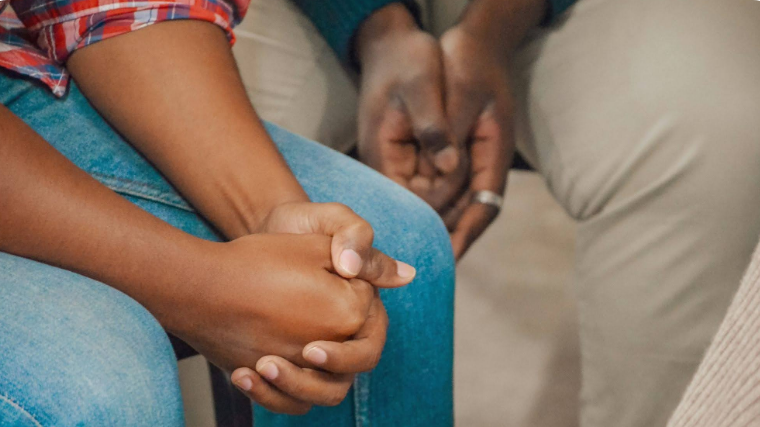


Your friend constantly apologizes for her partner’s behavior, makes excuses for why she can’t join group activities anymore, and seems to walk on eggshells whenever he’s around. When you express concern, she insists everything is fine and that you’re overreacting. These situations are heartbreaking because you’re likely witnessing signs of an abusive relationship, but the person experiencing it may not recognize what’s happening.
Relationship abuse affects millions of people regardless of age, gender, socioeconomic status, or background. The signs of an abusive relationship often develop gradually and can be incredibly difficult to identify, especially when you’re living in the situation daily. Abusers typically don’t start with obvious violence; they begin with subtle control tactics that escalate over time, making it challenging to pinpoint exactly when caring behavior crossed the line into abuse.
Understanding these warning signs is crucial whether you’re evaluating your own relationship, concerned about someone you care about, or simply want to educate yourself about this serious issue. This comprehensive guide will help you recognize the often-subtle indicators of abuse, understand how manipulation tactics work, and provide practical resources for safety and support. Knowledge is power, and recognizing these patterns can literally save lives.
What Are the Early Warning Signs of an Abusive Relationship
Early signs of an abusive relationship often masquerade as intense love, care, or protection, making them particularly difficult to identify. Understanding these warning signs helps distinguish between healthy relationship dynamics and potentially dangerous patterns that may escalate over time.
1. Excessive Control and Monitoring
One of the earliest signs involves a partner wanting to know where you are, who you’re with, and what you’re doing at all times. This might initially feel flattering; like they care so much about you; but healthy relationships include trust and reasonable independence.
Control tactics often start small and gradually increase. Your partner might begin by asking innocent questions about your day, then progress to calling or texting constantly when you’re apart, checking your phone or social media accounts, or becoming upset when you don’t respond immediately to messages.
Location tracking, whether through phone apps or insisting on detailed schedules, represents a significant red flag. Healthy partners trust each other and don’t need constant surveillance to feel secure in the relationship.
2. Isolation from Support Systems
Abusers systematically work to separate their partners from friends, family, and other support systems that might recognize the abuse or encourage the victim to leave. This isolation happens gradually and often seems reasonable at first.
Your partner might express dislike for specific friends or family members, claiming they’re “bad influences” or “don’t really care about you.” They might create conflicts during social events, making it stressful to maintain other relationships, or use guilt to discourage you from spending time with others.
Professional isolation can include discouraging career advancement, creating problems that interfere with work performance, or pressuring you to quit jobs or drop out of school. These tactics reduce your independence and make leaving the relationship more financially difficult.
3. Intense Jealousy and Possessiveness
While some jealousy can be normal in relationships, excessive jealousy that results in accusations, restrictions, or aggressive behavior represents a significant warning sign. This jealousy often extends beyond romantic concerns to include friendships, family relationships, and professional interactions.
Your partner might accuse you of flirting when you’re simply being friendly, become angry when others show you attention, or insist that you’re having affairs without any evidence. These accusations often escalate into arguments designed to make you avoid interactions that trigger their jealousy.
Possessive behavior includes treating you like property rather than an independent person with your own thoughts, feelings, and right to make decisions. This might involve making major decisions without consulting you or becoming angry when you express opinions that differ from theirs.
What Does Emotional and Psychological Abuse Look Like
Emotional and psychological abuse can be just as damaging as physical violence but often goes unrecognized because it doesn’t leave visible marks. These forms of abuse attack your self-esteem, mental health, and sense of reality, making them particularly insidious and harmful.
4. Verbal Abuse and Degradation
Consistent criticism, name-calling, humiliation, and put-downs designed to erode your self-confidence represent clear forms of emotional abuse. This isn’t occasional arguments or heated discussions; it’s systematic verbal attacks intended to make you feel worthless or inferior.
The abuse might include public humiliation in front of friends or family, constant criticism of your appearance, intelligence, or capabilities, or degrading comments about your worth as a person. Abusers often alternate between cruel treatment and excessive affection, creating confusion about the relationship’s true nature.
5. Gaslighting and Reality Manipulation
Gaslighting involves systematically making you question your own perceptions, memories, and judgment. Your partner might deny conversations that clearly happened, claim you’re “too sensitive” when you express hurt about their behavior, or insist that abusive incidents never occurred.
This manipulation tactic is particularly harmful because it attacks your ability to trust your own experiences. Over time, gaslighting can make you dependent on your partner’s version of reality, even when that version serves to excuse their harmful behavior.
6. Threats and Intimidation
Threats don’t have to involve physical violence to be abusive. Your partner might threaten to hurt themselves if you leave, threaten to harm pets or destroy belongings you care about, or make veiled threats about what would happen if you tried to end the relationship.
Intimidation tactics can include destroying your personal belongings during arguments, driving recklessly when you’re in the car together, or using their physical presence to make you feel unsafe. These behaviors are designed to instill fear and compliance without necessarily involving direct physical contact.
Why People Stay in Abusive Relationships
Understanding why people remain in abusive relationships helps reduce judgment and provides insight into the complex psychological and practical factors that make leaving incredibly difficult. This knowledge is essential for providing effective support rather than criticism.
Trauma Bonding and Emotional Attachment
Trauma bonding creates powerful psychological connections between abusers and their victims through cycles of abuse followed by affection or apologies. These cycles create addiction-like attachments where victims crave the relief and connection that comes after abusive episodes.
The intermittent reinforcement of kindness after abuse actually strengthens emotional bonds in ways that consistent kindness cannot. This explains why people often describe feeling more connected to abusive partners than they did to previous healthy relationships.
Practical and Financial Barriers
Many people lack the financial resources to leave abusive relationships safely. Abusers often control finances, prevent partners from working, or create financial dependence that makes independence seem impossible.
Shared children, pets, housing leases, or business ventures create additional complications that require careful planning and resources to navigate safely. These practical concerns are legitimate obstacles that deserve respect and support rather than judgment.
Fear and Safety Concerns
The most dangerous time for abuse victims is often when they’re trying to leave or have recently left the relationship. Many people stay because they genuinely fear for their safety or the safety of their children if they attempt to leave.
Threats made by abusers; whether about self-harm, harming others, or destroying the victim’s life; often feel very real and credible based on previous behavior patterns. These fears aren’t paranoia; they’re realistic assessments of potential danger.
How to Help Someone in an Abusive Relationship
Supporting someone experiencing abuse requires patience, understanding, and strategic approaches that prioritize their safety and autonomy above your desire to see them leave immediately.
Supportive Communication Strategies
Listen without judgment when someone shares concerns about their relationship. Avoid statements like “Why don’t you just leave?” or “I would never put up with that,” which can increase shame and isolation. Instead, focus on validation and support.
Express concern about specific behaviors rather than labeling the person as abusive. You might say, “I’m worried about how he speaks to you” rather than “He’s abusive.” This approach feels less threatening and allows the person to reach their own conclusions.
Remind them that they deserve to be treated with respect and that the abuse isn’t their fault. People in abusive relationships often blame themselves or believe they provoke the abusive behavior through their actions or responses.
Practical Support Options
Help them develop a safety plan that includes identifying safe places to go, keeping important documents accessible, and establishing code words for emergency situations. Don’t pressure them to implement this plan immediately; just help them prepare for when they’re ready.
Research local domestic violence resources and share this information casually rather than pressuring them to use services immediately. Having resources available when they’re ready to take action can be life-saving.
Maintain the friendship or relationship even if they’re not ready to leave. Isolation makes abuse worse, and your continued support might be the lifeline they need when they’re ready to seek help.
When to Recognize Signs in Your Own Relationship
Self-assessment can be particularly challenging because abuse develops gradually and often involves gaslighting that makes you question your own perceptions. These questions can help you evaluate your relationship honestly.
Ask yourself whether you feel free to express opinions that differ from your partner’s, maintain friendships and family relationships, and make decisions about your own life without fear of negative consequences. Healthy relationships include disagreement and independence alongside connection and compromise.
Consider whether you find yourself making excuses for your partner’s behavior to others, avoiding certain topics or activities to prevent conflicts, or feeling like you’re constantly walking on eggshells to avoid triggering anger or punishment.
Notice physical responses when your partner comes home or contacts you. If you feel anxiety, dread, or need to mentally prepare yourself for interactions, these feelings may indicate that the relationship dynamics are unhealthy or potentially dangerous.
Creating Safety and Moving Forward
Recognizing signs of an abusive relationship is the first step toward safety and healing, but taking action requires careful planning and appropriate support to ensure your wellbeing throughout the process.
If you’re experiencing abuse, remember that leaving can be dangerous and should be planned carefully with professional support. Contact local domestic violence organizations that can help you develop a safety plan tailored to your specific situation and needs.
Trust your instincts about your safety and the severity of your situation. You know your partner better than anyone else, and your feelings about potential danger should be taken seriously by both you and the professionals helping you.
Recovery from abusive relationships takes time and often requires professional support to address trauma, rebuild self-esteem, and develop healthy relationship patterns. This healing process is completely normal and necessary for creating the fulfilling relationships you deserve in the future.
The signs of an abusive relationship can be subtle and develop gradually, making them challenging to recognize until patterns are well-established. By understanding these warning signs and knowing how to respond appropriately, you can protect yourself and support others who may be experiencing relationship abuse. Remember that abuse is never the victim’s fault, help is available, and recovery is possible with appropriate support and resources.


