Every family goes through predictable changes over time. Just like people grow and change, families also move through different stages that bring new joys, challenges, and opportunities. Understanding the family life cycle can help you navigate these changes more smoothly and build stronger relationships with your loved ones.
This is like a roadmap that shows how families typically develop from the time two people meet until their final years together. By knowing what to expect in each stage, you can prepare better for the ups and downs that come with family life. This knowledge helps couples, parents, and even grown children understand why certain things happen and how to handle them better.
Whether you’re newlyweds trying to figure out married life, parents dealing with teenagers, or adult children caring for aging parents, knowing about the family life cycle stages gives you valuable insights into what’s normal and what strategies work best for each phase.
What Is the Family Life Cycle?
The family life cycle is a way social scientists and relationship experts describe how families change over time. Think of it like the seasons of the year – each one has its own special characteristics, challenges, and beauty.
This concept helps us understand that families aren’t static. They’re always growing, adapting, and facing new situations. The family life cycle theory was first developed by researchers who noticed that most families go through similar patterns of development, even though each family is unique.
According to Dr. Evelyn Duvall, a pioneer in family development theory, “Each stage of family life presents its own developmental tasks that must be mastered for healthy family functioning.” This means that families have specific things they need to learn and accomplish at each stage to stay strong and connected.
This concept is widely used in:
- Marriage and family counseling
- Social work practice
- Consumer behavior studies (family life cycle in consumer behaviour)
- Healthcare planning
- Financial planning
Understanding these stages helps professionals better serve families and helps families themselves navigate their journey more successfully.
How Many Stages Are in the Family Life Cycle?
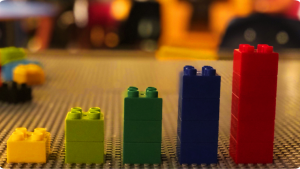
Different experts describe different numbers of stages in the family life cycle. You might hear about 4 stages, 5 stages, 6 stages, or even 7 stages. The truth is, all these models are helpful – they just group the experiences differently.
For this article, we’ll focus on the most comprehensive 7 stages of family life cycle model because it gives the most detailed picture of family development. However, remember that not every family follows this exact pattern. Some families skip stages, repeat stages, or experience them in a different order. Single-parent families, blended families, and nuclear family structures might all have slightly different experiences.
The key is to use these stages as a helpful guide, not a strict rule. Your family’s journey might look different, and that’s perfectly normal and okay.
What Are the 7 Stages of Family Life Cycle in Detail?
Let’s explore each of the 7 stages of family life cycle and understand what typically happens during each phase, along with practical tips for navigating them successfully.
Stage 1: What Happens When Two People First Get Together?
The first stage begins when two people decide to build a life together. This might involve dating seriously, moving in together, or getting married. During this family life cycle stage, couples are learning how to be partners.
Key challenges include:
- Learning each other’s habits and preferences
- Deciding how to handle money together
- Figuring out household responsibilities
- Balancing time with each other and friends/family
- Making decisions as a team
Practical Tip: Create regular “check-in” times to talk about how things are going. This builds good communication habits that will serve you well throughout all the stages.
Stage 2: How Do Couples Adjust to Having Their First Child?
When the first baby arrives, everything changes. This stage of the family life cycle involves learning how to be parents while still maintaining your relationship as a couple.
This stage brings:
- Sleep deprivation and schedule changes
- New financial responsibilities
- Less time for each other as a couple
- Learning parenting skills
- Balancing work and family life
Research Insight: Studies show that couples who maintain some couple time during this stage have stronger marriages long-term. Even 15 minutes of conversation without the baby can make a big difference.
Stage 3: What’s It Like Raising School-Age Children?
This family life cycle stage typically lasts many years as children go through elementary and middle school. Families develop routines around school, activities, and growing independence.
Common experiences include:
- Helping with homework and school projects
- Dealing with peer pressure and social issues
- Teaching values and life skills
- Managing busy schedules with multiple activities
- Supporting children’s developing personalities
Case Study: The Johnson family found that having weekly family meetings helped everyone stay connected during this busy stage. They used this time to plan the week, discuss any problems, and celebrate successes together.
Stage 4: How Do Families Handle the Teenage Years?
The teenage stage of the family life cycle is often considered one of the most challenging. Teens are developing their own identity while parents are learning to give them more freedom gradually.
Family therapist Dr. Sarah Mitchell notes, “The goal during this stage isn’t to control teenagers, but to guide them toward making good decisions on their own. This requires patience and trust-building.”
This stage involves:
- Setting appropriate boundaries and consequences
- Dealing with mood swings and emotional intensity
- Discussing important topics like dating, driving, and future plans
- Balancing supervision with independence
- Preparing teens for adulthood
Also Read: How to Build an Emotionally Strong Bond With Kids
Stage 5: What Changes When Children Leave Home?
Often called the “launching” stage, this part of the family life cycle involves helping young adult children become independent while parents adjust to having an empty nest.
Key transitions include:
- Helping with college or career decisions
- Adjusting to a quieter house
- Rediscovering your relationship as a couple
- Dealing with financial changes (college costs, less daily expenses)
- Learning new ways to stay connected with adult children
Helpful Tip: Start preparing for this stage early by gradually giving teenagers more independence. This makes the transition easier for everyone.
Stage 6: How Do Middle-Aged Parents Navigate New Roles?
During this family life cycle stage, parents often become grandparents while also caring for their own aging parents. It’s sometimes called the “sandwich generation” because they’re caring for both older and younger generations.
This stage often includes:
- Becoming grandparents and learning that role
- Helping aging parents with health or living situations
- Peak earning years and retirement planning
- Possible career changes or new interests
- Dealing with their own health changes
Research Finding: A study by the American Association of Retired Persons found that 40% of adults in this stage provide care to both adult children and aging parents simultaneously.
Stage 7: What Are the Golden Years Really Like?
The final stage of the family life cycle involves retirement, possible health challenges, and reflecting on life’s accomplishments. This can be a time of great satisfaction and closeness, though it also brings unique challenges.
This stage typically involves:
- Adjusting to retirement and fixed incomes
- Dealing with health issues and mobility changes
- Enjoying grandchildren and great-grandchildren
- Reflecting on life experiences and sharing wisdom
- Making end-of-life plans and decisions
Inspiring Example: Research shows that couples who stay active, maintain friendships, and find new purposes in retirement report high levels of life satisfaction during this stage.
How Does the Family Life Cycle Affect Consumer Behavior?
The family life cycle in consumer behaviour is a fascinating area of study that shows how families’ buying patterns change as they move through different stages. Understanding this helps both families plan better and helps businesses serve customers more effectively.
Here’s how spending typically changes through these stages:
- Early stages: Young couples often spend on home furnishing, entertainment, and building their lifestyle together. They might buy their first major appliances, furniture, and invest in experiences like travel.
- Child-rearing stages: Families focus spending on children’s needs – education, healthcare, clothing, toys, and family activities. Cars often become more practical, and housing needs may change to accommodate growing families.
- Later stages: As children leave home, spending shifts toward travel, hobbies, healthcare, and preparing for retirement. There’s often more discretionary income available for personal interests.
- Retirement stage: Fixed incomes usually mean more careful spending, focus on healthcare needs, and sometimes downsizing homes or possessions.
This understanding helps families budget appropriately for each stage and helps them understand why their spending priorities change over time.
Why Is Understanding the Family Life Cycle Important for Social Work?
Family life cycle social work uses this framework to better help families during difficult times. Social workers understand that families face different challenges at different stages, so they can provide more targeted support.
For example, a social worker helping a family with teenagers will focus on different issues than one helping new parents. They might address communication problems, boundary setting, and independence issues with the teen family, while focusing on parenting skills, support systems, and resource connections with new parents.
Social workers also use this theory to:
- Assess family strengths and challenges more accurately
- Develop appropriate intervention strategies
- Connect families with stage-appropriate resources
- Help families understand that their struggles are normal for their stage
- Plan for upcoming transitions and challenges
This approach helps social workers provide more effective, personalized support to families in need.
What Should You Remember About Family Life Cycle Stages?
As we’ve explored the family life cycle, it’s important to remember that every family is unique. While these stages provide a helpful framework, your family might experience them differently. Some families skip stages, blend them together, or face unexpected changes that don’t fit the typical pattern.
The value of understanding these stages lies not in following them exactly, but in recognizing that:
- Change is normal and expected in families
- Each stage has its own rewards and challenges
- Preparing for transitions can make them easier
- Families can grow stronger through each stage when they support each other
- Getting help during difficult stages is smart, not weak
Whether you’re looking at 4 stages, 5 stages, or the comprehensive 7 stages of family life cycle, the key is using this knowledge to build stronger, more understanding relationships with your loved ones.
Remember, this is a journey, not a destination. Each stage offers opportunities to deepen your bonds, learn new skills, and create lasting memories. By understanding what to expect and how to navigate each phase, you can help your family thrive through all of life’s changes and challenges.
The most important thing is to stay connected, communicate openly, and remember that seeking support and guidance during any stage is a sign of wisdom and love for your family.