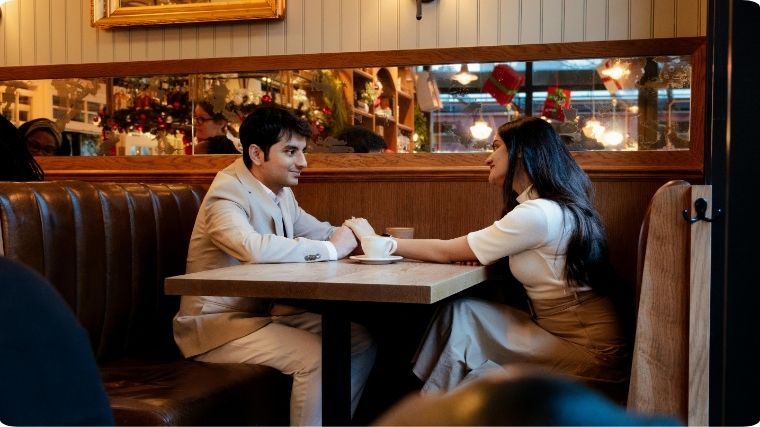




Relationships come in many forms. Some are traditional. Others are unconventional. And then there’s the sd/sb relationship, a type of connection that has moved from the shadows into more open discussion, especially in today’s economy where financial pressures are changing how people approach dating and relationships.
If you’ve seen the terms SD and SB online or heard friends mention them, you might be wondering what is a sd/sb relationship exactly. SD stands for “Sugar Daddy” and SB stands for “Sugar Baby.” An sd/sb relationship is an arrangement where an older, financially established person (typically but not always a man) provides financial support, gifts, or other benefits to a younger person in exchange for companionship, dating, or sometimes intimacy.
Understanding the sugar daddy sd/sb relationship dynamic requires looking past stereotypes and moral judgments to see what these arrangements actually involve. These relationships exist on a spectrum from purely transactional to genuinely affectionate, from short-term arrangements to long-term connections that sometimes even evolve into traditional relationships.
In this comprehensive guide, we’ll explore everything you need to know about sd/sb relationships: what they really involve, benefits and disadvantages, essential rules to protect yourself, and how to start it if you’re considering entering this type of arrangement. Whether you’re curious, considering, or already involved, this honest look will give you the information you need.
What Is a SD/SB Relationship Really?
Let’s start with a clear definition. What is a sd/sb relationship in practical terms? An sd/sb relationship is a mutually beneficial arrangement between two adults where one party (the Sugar Daddy or SD) provides financial support, mentorship, experiences, or material benefits, while the other party (the Sugar Baby or SB) provides companionship, attention, and sometimes intimacy.
This isn’t prostitution, and it’s not traditional dating either. It exists in a middle ground that many people struggle to understand. In an sd/sb relationship, both parties are upfront about expectations from the beginning. The financial aspect isn’t hidden or shameful; it’s openly discussed and agreed upon.
Sugar daddy sd/sb relationships vary widely in their specifics. Some involve:
- Regular allowances or pay-per-meet arrangements
- Gifts, shopping, travel, or experiences instead of cash
- Mentorship, career guidance, or networking opportunities
- Companionship at events, dinners, or trips
- Dating without the expectation of exclusivity or marriage
- Genuine connection that includes but isn’t limited to financial support
Dr. Angela Jones, a sociologist who studies alternative relationship structures, notes that “SD/SB relationships challenge traditional narratives about love, money, and power in relationships. While mainstream dating often involves financial dynamics (who pays for dates, etc.), these arrangements simply make those dynamics explicit rather than implicit.”
According to a 2024 survey by SeekingArrangement, one of the largest platforms for these arrangements, there are approximately 20 million Sugar Babies worldwide, with the average age of SBs being 26 and SDs being 42. The survey found that 58% of Sugar Babies are college students using arrangements to pay for education.
It’s important to understand that sd/sb relationships are legal in most places as long as both parties are adults consenting to the arrangement. The key difference from prostitution is that these are ongoing relationships or arrangements rather than one-time transactions, and both parties enter willingly with clear expectations.
What Are the Benefits of a SD/SB Relationship?
Understanding the benefits of a sd/sb relationship or advantages of a sd/sb relationship helps explain why people enter these arrangements despite social stigma. Both Sugar Daddies and Sugar Babies report specific benefits.
Benefits for Sugar Babies
- Financial support that changes life circumstances: This is obviously the primary draw for many SBs. Whether it’s paying for college tuition, covering rent in expensive cities, eliminating debt, or simply having financial breathing room, the monetary aspect can be life-changing.
Emily, a 24-year-old graduate student, shares: “My SD arrangement allowed me to finish my master’s degree without taking out more loans. I graduated debt-free, which gave me freedom in my career choices that my classmates didn’t have. That financial foundation was worth more than any traditional relationship could have given me at that stage of life.”
- Access to experiences and opportunities: Many SBs gain access to fine dining, travel, cultural events, luxury experiences, and social circles they wouldn’t otherwise encounter. These experiences can be educational and broaden perspectives.
- Mentorship and networking: Some SDs provide career guidance, introduce SBs to professional contacts, or mentor them in business. This intangible benefit can be as valuable as financial support.
- Clarity and honesty about expectations: Unlike traditional dating where intentions often remain unclear, sd/sb relationships require upfront communication. This clarity can be refreshing.
- No pressure for traditional commitment: SBs who aren’t ready for marriage, children, or traditional relationship structures can engage in meaningful connections without those pressures.
- Learning valuable life skills: Many SBs report developing better communication skills, understanding of boundaries, financial literacy, and confidence through their arrangements.
Benefits for Sugar Daddies
- Companionship without traditional relationship demands: SDs often have demanding careers or life situations that make traditional relationships impractical. Arrangements provide connection without the expectation of marriage or cohabitation.
- Transparency about the dynamic: SDs appreciate knowing exactly what the relationship entails rather than navigating unclear dating expectations.
- The joy of providing and mentoring: Many SDs genuinely enjoy being able to help someone achieve their goals or experience things they otherwise couldn’t.
- Connection with youth and vitality: Being around younger people can be energizing and help SDs stay connected to current culture and perspectives.
- Flexibility and defined boundaries: Arrangements can be structured around busy schedules and don’t require the time investment of traditional relationships.
- Ego boost and validation: Honestly, being desired and appreciated provides validation that some SDs find lacking in their regular lives.
Research from the Journal of Sex Research found that participants in consensual transactional relationships (including SD/SB arrangements) reported satisfaction levels comparable to traditional relationships when clear communication and mutual respect were present.
What Are the Disadvantages of a SD/SB Relationship?
Being honest about the disadvantages of a sd/sb relationship is crucial. These arrangements aren’t for everyone and come with real challenges and risks.
- Social stigma and judgment: Society still largely disapproves of these relationships. SBs especially face harsh judgment, being labeled negatively or having their autonomy questioned. This stigma can affect mental health and require hiding the arrangement from family and friends.
- Emotional complications despite intentions: Even when both parties agree it’s “just an arrangement,” real feelings often develop. This can create pain when the relationship ends or when feelings aren’t reciprocated.
- Power imbalance concerns: The financial dependency can create unhealthy power dynamics where the SB feels unable to enforce boundaries or leave an uncomfortable situation.
- Safety risks: Meeting strangers for arrangements carries physical safety risks. SBs are particularly vulnerable to manipulation, coercion, or worse from SDs who misrepresent their intentions.
- Financial dependency: SBs can become financially dependent on arrangements, making it difficult to leave when needed or to manage when the arrangement ends.
- Emotional labor requirements: Being “on” and providing companionship can be emotionally draining, especially if genuine connection isn’t present.
- Limited relationship progression: Most sd/sb relationships have built-in expiration dates. This isn’t a path to marriage or family for most arrangements.
- Tax and legal complications: Receiving significant gifts or allowances can have tax implications that SBs often don’t consider until too late.
- Impact on future relationships: Some people find that SD/SB arrangements affect how they view and engage in traditional relationships afterward.
- Transactional intimacy concerns: When physical intimacy is part of the arrangement, it can feel transactional rather than genuine, which some people find emotionally difficult.
Marcus, a former SD, reflects: “I entered my first arrangement thinking it would be simple and fun. But when my SB developed real feelings and I couldn’t reciprocate, seeing her hurt made me realize these arrangements have real emotional consequences. It’s not as easy as just exchanging money for time.”
Dr. Lisa Wade, a sociologist studying intimacy and relationships, cautions that “the financial element in SD/SB relationships can mask or complicate genuine connection. When money is involved, it becomes difficult to know if affection is authentic or performative, which creates anxiety for both parties.”
What Are the Essential SD/SB Relationship Rules?
If you decide to enter an sd/sb relationship, following clear sd/sb relationship rules protects both parties and increases the chances of a positive experience. These aren’t legally binding contracts, but they’re practical guidelines that experienced participants recommend.
Communication and Boundary Rules
- Discuss expectations explicitly before starting: Talk about allowance amounts, meeting frequency, whether exclusivity is expected, physical boundaries, and how the arrangement might end. Write these down if helpful.
- Establish clear boundaries around time and availability: Specify how much notice you need for meetings, whether spontaneous requests are okay, and what happens if someone cancels.
- Agree on communication preferences: How often should you text? Are phone calls expected? What times are off-limits? Clear communication expectations prevent misunderstandings.
- Set physical boundaries clearly: Be explicit about what physical intimacy is expected or off the table. These boundaries can evolve, but they must be discussed, not assumed.
- Create exit strategies: Discuss how either party can end the arrangement respectfully. How much notice is expected? Will there be a final meeting or allowance?
Safety and Privacy Rules
- Meet in public places initially: First meetings should always be in public settings. Don’t go to someone’s home or hotel until trust is established.
- Tell someone where you’re going: Have a trusted friend who knows about your arrangements and checks in on you.
- Use separate communication channels: Consider getting a separate phone number for SD/SB communications to protect your privacy.
- Never share your home address immediately: Wait until significant trust is built before revealing where you live.
- Research and verify identity: Do basic internet searches on potential SDs/SBs. Use video calls before meeting. Trust your instincts about red flags.
- Protect your financial information: Never give bank account access or allow control of your finances. Keep arrangements separate from your main financial life.
Financial Rules
- Discuss and agree on financial terms upfront: Whether it’s allowance, pay-per-meet, or gifts, clarity prevents disappointment and conflict.
- Receive financial support before intimacy: Experienced SBs advise never providing intimacy before receiving agreed-upon support to avoid being taken advantage of.
- Keep records for yourself: Document what was agreed upon and received for your own protection and clarity.
- Understand tax implications: Gifts over certain amounts may need to be reported. Consult a tax professional if you’re receiving significant support.
- Never lend money or cosign anything: The financial flow should go one direction. If an SD asks for money, it’s a scam.
Emotional Rules
- Acknowledge that feelings might develop: Even if you don’t intend for emotional connection, be aware it’s possible and discuss how to handle it if it happens.
- Don’t fake feelings: Be authentic in your level of affection. Pretending creates ethical issues and emotional complications.
- Maintain some emotional boundaries: Having outside friendships and interests protects both parties from unhealthy dependence.
- Check in regularly about the arrangement: Periodically discuss whether the arrangement is still working for both of you.
How to Start SD/SB Relationship: A Step-by-Step Guide
If you’re wondering how to start a sd/sb relationship, whether as an SD or SB, here’s a practical guide to beginning one safely and successfully.
Step 1: Get Clear on What You Want
Before doing anything else, honestly assess what you want from an arrangement. Are you looking for financial support to achieve specific goals? Companionship without traditional relationship commitments? Mentorship and experiences? Clarity on your own motivations and needs is essential.
Write down your ideal arrangement: How much time are you willing to commit? What financial support do you need or can provide? What are your hard boundaries? What would make the arrangement worth it for you?
Step 2: Choose Your Platform
Most people find SD/SB arrangements through dedicated websites like SeekingArrangement, SecretBenefits, SugarDaddyMeet, or similar platforms. These sites provide some verification and safety features that random social media connections don’t.
Create a profile that’s honest but protects your privacy. Use photos that show you clearly but don’t include identifying background details. Be clear about what you’re seeking without oversharing personal information.
Step 3: Vet Potential Partners Carefully
Don’t rush into meeting the first person who messages you. Look for profiles that seem genuine and specific rather than generic. Watch for red flags like:
- Refusing to video chat before meeting
- Asking for money (if they claim to be an SD)
- Being vague about expectations
- Pushing for intimacy before financial support
- Refusing to meet in public initially
Message back and forth enough to get a sense of the person. Ask specific questions about what they’re looking for, their experience with arrangements, and their expectations.
Step 4: Have a Clear Initial Conversation
Once you’ve found someone who seems promising, have a direct conversation about expectations. Discuss:
- What type of arrangement you each envision
- Financial terms (allowance amount, frequency, gifts vs. cash)
- Meeting frequency and time commitments
- Physical expectations and boundaries
- Whether exclusivity is expected
- How you’ll communicate
- What would end the arrangement
This conversation might feel awkward, but it’s essential. If someone refuses to discuss these details clearly, that’s a red flag.
Step 5: Meet in Public First
Your first meeting should always be in a public place with no pressure or expectation beyond conversation. This is essentially a first date to see if you have chemistry and if the arrangement feels right for both of you.
Dress appropriately, arrive on time, and approach it professionally. Use this meeting to assess whether the person matches their profile and whether you feel comfortable proceeding.
Step 6: Establish the Arrangement Terms
If the initial meeting goes well and you both want to proceed, establish the specific terms of your arrangement. Some people create simple written agreements outlining expectations. This protects both parties by ensuring you’re on the same page.
Discuss logistics: Where will you meet? How will financial support be provided? What notice do you need for meetings? What happens if someone needs to cancel?
Step 7: Start Slowly and Assess
Begin the arrangement with lower commitment and assess how it’s going. If it’s a pay-per-meet situation, start with just a few meetings before committing to more. If it’s an allowance situation, perhaps start with a trial period.
After a few meetings, check in with yourself: Does this arrangement feel safe and beneficial? Are terms being honored? Are you comfortable with how things are going?
Step 8: Communicate and Adjust as Needed
Good sd/sb relationships evolve through communication. If something isn’t working, speak up. If boundaries need adjusting, discuss it. If feelings are developing, address them honestly.
Regular check-ins help ensure the arrangement continues serving both parties. Remember, either person can end the arrangement at any time if it’s no longer working.
What Should You Avoid in SD/SB Relationships?
Knowing what to avoid in sd/sb relationships is as important as knowing what to do. These common mistakes create problems or danger.
- Don’t ignore red flags hoping they’ll improve: If someone is pushy, disrespectful of boundaries, or makes you uncomfortable early on, they won’t get better. Trust your instincts and walk away.
- Don’t provide intimacy before establishing trust and receiving support: This is especially important for SBs. If an SD promises support “later” or “next time,” they’re likely scamming you.
- Don’t become financially dependent too quickly: SBs should maintain other income sources and not immediately adjust their lifestyle to match SD support, as arrangements can end suddenly.
- Don’t ignore emotional health: If the arrangement is making you anxious, depressed, or feel bad about yourself, it’s not worth the money. Your mental health matters more.
- Don’t involve your real identity too quickly: Use a different name initially, don’t share where you work or live immediately, and protect your privacy until significant trust is built.
- Don’t expect the arrangement to become a traditional relationship: While it occasionally happens, most SD/SB arrangements are not paths to marriage. Entering with expectations of conversion sets you up for disappointment.
- Don’t neglect other relationships and goals: Arrangements should enhance your life, not become your entire life. Maintain friendships, pursue your goals, and keep your identity separate from being an SD or SB.
Is an SD/SB Relationship Right for You?
After learning all of this, you might be wondering whether an sd/sb relationship is right for you. This is deeply personal, and only you can decide. But here are questions to help you assess:
- Can you separate sex/intimacy from romantic love? If physical intimacy is part of the arrangement, can you engage in it without needing romantic feelings? Not everyone can, and that’s okay.
- Are you comfortable with transactional elements? These relationships involve explicit exchange. If you find the idea of money and companionship being directly linked uncomfortable or immoral, this isn’t for you.
- Can you maintain boundaries effectively? You’ll need strong communication skills and the ability to enforce your limits. If you struggle with saying no or standing up for yourself, these arrangements can be difficult.
- What will you tell people? Can you handle the secrecy or potential judgment if people find out? Do you have support from at least one trusted friend who knows?
- What are your alternatives? Are there other ways to achieve your goals (financial or otherwise) that don’t involve this type of arrangement? Have you explored them fully?
- How will this affect your mental health? Be honest about whether you can emotionally handle the unique challenges these relationships present.
Jessica, who was a Sugar Baby for three years during and after college, reflects: “It was right for me at that time in my life. I needed financial help, I was comfortable with the boundaries of the arrangements I had, and it allowed me to focus on school. But I wouldn’t do it now because my needs and circumstances are different. It’s not universally right or wrong; it’s about whether it works for you in your current situation.”
What’s the Reality of SD/SB Relationships?
SD/SB relationships exist in the real world as a relationship option that some people choose for various reasons. Understanding what is a sd/sb relationship requires looking past moral judgments to see the actual dynamics: adult arrangements between consenting parties who are explicit about their expectations and the role of financial support.
The benefits of a sd/sb relationship are real for many people: financial support that changes life trajectories, access to experiences and mentorship, clarity about expectations, and connections that serve both parties’ needs in ways traditional relationships sometimes don’t. The disadvantages of a sd/sb relationship are equally real: safety concerns, social stigma, power imbalances, emotional complications, and the challenge of navigating a relationship form that exists outside societal norms.
Learning how to start a sd/sb relationship safely involves clear communication, careful vetting, established boundaries, and ongoing assessment of whether the arrangement serves you well. Following sd/sb relationship rules around safety, communication, finances, and emotions protects both parties and increases the likelihood of positive experiences.
The sugar daddy sd/sb relationship dynamic challenges our cultural narratives about love, money, and power in relationships. Some view these arrangements as empowering adults making informed choices about their bodies, time, and lives. Others see problematic dynamics that can lead to exploitation. The reality is complex and varies dramatically from one arrangement to another.
What’s undeniable is that these relationships exist and will continue to exist. Rather than simply judging them, it’s more helpful to ensure people entering them have clear, honest information to make informed decisions and protect themselves.
If you’re considering an sd/sb relationship, approach it with eyes wide open. Understand both the potential benefits and real risks. Know your boundaries and values. Make sure you’re choosing this because it genuinely serves your needs, not because you feel you have no other options. And if you decide it’s not for you, that’s completely valid too.
These arrangements aren’t for everyone. They require emotional intelligence, strong boundaries, clear communication, and the ability to navigate complex dynamics. But for some people, at certain times in their lives, they provide value that other relationship structures don’t offer. The key is making informed, autonomous choices while protecting your physical, emotional, and financial wellbeing.
Whether you view sd/sb relationships as empowering arrangements between adults or as inherently problematic dynamics, they’re part of our modern relationship landscape. Understanding them honestly and completely helps everyone make better decisions about whether this path is right for them.
Frequently Asked Questions
Yes, as long as it doesn’t involve exchanging money for specific sexual acts, which would cross into illegal territory in most places. A financial-support-for-companionship arrangement, on its own, is legal in the US and most Western countries.
The distinction is what’s explicitly being exchanged. Sugar relationships are framed around ongoing companionship, mentorship, and lifestyle support rather than payment tied directly to specific sexual acts – though the line can get blurry depending on how the arrangement is structured.
Most connections happen through dedicated sugar-dating platforms rather than mainstream dating apps, since those platforms let both people be upfront about expectations from the start.