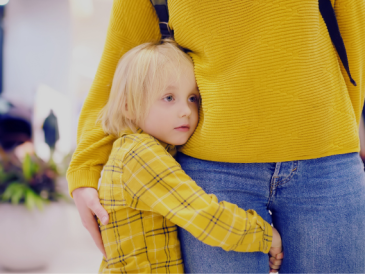
Your heart races when your partner leaves for work. Dropping your child at school brings tears every morning. Even being alone for a few hours fills you with dread. These feelings are exhausting and confusing.
Learning how to deal with separation anxiety can transform your life. This intense fear of being apart from loved ones doesn’t have to control you. With the right tools and understanding, you can build security and peace.
Separation anxiety affects both children and adults. It creates real distress that impacts relationships, work, and daily happiness. But help is available, and recovery is possible. This guide will show you practical ways to manage and overcome separation anxiety.
What Is Separation Anxiety?
Separation anxiety is intense fear or worry about being away from someone you’re attached to. It goes beyond normal sadness when saying goodbye. This anxiety creates overwhelming panic and distress.
In children, separation anxiety is a normal development stage. Most kids show some worry when parents leave between ages 6 months to 3 years. However, when this anxiety continues past age 6 or becomes extreme, it may be separation anxiety disorder.
Adults experience separation anxiety too. You might panic when your partner goes out without you. Perhaps you constantly check your phone to make sure loved ones are safe. These fears can take over your entire day.
The anxiety comes from deep fear that something bad will happen during separation. You worry about losing the person permanently. Your brain interprets normal separation as a serious threat, triggering your body’s alarm system.
Also Read: How to Deal with Anxiety
Why Does Separation Anxiety Happen?
Understanding the roots of separation anxiety helps you address it effectively. Several factors contribute to these intense fears.
Early childhood experiences play a major role. If a parent was inconsistent or unavailable, you learned that people might disappear without warning. Traumatic separations like divorce, death, or long hospitalizations create lasting fear patterns.
Attachment style affects separation anxiety. People with anxious attachment often experienced unpredictable care as children. They learned to stay hypervigilant about relationships because love felt uncertain.
Major life changes trigger separation anxiety in previously secure people. Moving to a new place, starting a new school, losing a loved one, or experiencing illness can suddenly activate these fears.
Some people are naturally more sensitive. If you’re highly empathetic or have general anxiety, you’re more vulnerable to separation anxiety. Brain chemistry also plays a role in how intensely you experience fear and worry.
What Are the Signs of Separation Anxiety?
Recognizing separation anxiety is the first step toward healing. The symptoms affect both your mind and body.
Physical symptoms include rapid heartbeat, sweating, stomach aches, headaches, and difficulty breathing. Children might complain of feeling sick before school. Adults often experience these symptoms before a partner leaves or during time alone.
Emotional signs include excessive worry about loved ones’ safety, fear that something terrible will happen during separation, and constant need for reassurance. You might call or text repeatedly to check if someone is okay.
Behavioral patterns reveal separation anxiety too. Refusing to sleep alone, following someone from room to room, or avoiding activities that require separation are common signs of anxiety. Adults might control their partner’s schedule or become upset about normal independence.
Sleep problems often accompany separation anxiety. You might have nightmares about losing someone or struggle to fall asleep when alone. Children may resist bedtime or frequently wake during the night.
How to Deal with Separation Anxiety Through Understanding Your Triggers
Managing separation anxiety starts with awareness. Knowing what sets off your fears gives you power to respond differently.
Keep a separation anxiety journal for two weeks. Write down when anxiety strikes, what’s happening, and how intense it feels. Rate your anxiety from 1 to 10. This tracking reveals patterns you might not notice otherwise.
Common triggers include specific situations like mornings, bedtimes, or when plans change unexpectedly. Certain locations might trigger anxiety too. Perhaps leaving home or watching someone drive away activates your fears.
Notice if anxiety increases when you’re stressed in other areas. Financial worry, work pressure, or health concerns can intensify separation anxiety. Your baseline stress level affects how you handle separations.
Identify your worry thoughts. What specific fears run through your mind? Are you worried about accidents, abandonment, or something else? Understanding these thoughts helps you challenge them later.
How to Deal with Separation Anxiety in Relationships Using Communication
Open communication strengthens relationships and reduces anxiety. Talking about your fears with your partner creates understanding and support.
Explain your separation anxiety honestly. Help your partner understand it’s not about distrust or control. It’s about your internal fear response. Most people want to help once they understand what you’re experiencing.
Work together to create reassurance rituals. Maybe a quick text when your partner arrives somewhere or a phone call during lunch helps. Keep these reasonable so they don’t become controlling behaviors.
Establish predictable routines. Knowing what to expect reduces anxiety. If your partner always texts when leaving work, your brain learns this pattern and worries less.
Set boundaries around checking behaviors. While some reassurance helps, constant calls and texts increase anxiety long-term. Agree on limits that balance your needs with independence.
Express appreciation when your partner supports you. Dealing with someone’s anxiety takes patience. Acknowledging their kindness strengthens your relationship and motivates continued support.
Also Read: Relationship Anxiety: 11 Signs and How to Deal with It
What Are Practical Strategies to Manage Separation Anxiety?
Several techniques directly reduce separation anxiety symptoms. These tools work best when practiced regularly, not just during crisis moments.
Practice gradual exposure. Start with tiny separations and slowly increase time apart. If leaving your child at school causes panic, begin with 5 minutes, then 10, building up over weeks. This gradual approach retrains your brain that separation is safe.
Use grounding techniques during anxiety spikes. The 5-4-3-2-1 method helps: name 5 things you see, 4 you can touch, 3 you hear, 2 you smell, and 1 you taste. This pulls your attention from fear to the present moment.
Create transition objects. Children benefit from carrying a photo or special item from home. Adults can use similar strategies. A meaningful object provides comfort during separation.
Develop a goodbye routine. Consistent, brief goodbyes work better than long, emotional ones. They signal that separation is normal and temporary. Make your goodbyes calm and confident.
Build a support network beyond one person. When your security depends entirely on one individual, anxiety intensifies. Cultivate multiple supportive relationships to spread your sense of safety.
How Does Self-Care Help With Separation Anxiety?
Taking care of yourself builds internal security. When you feel strong and healthy, anxiety has less power over you.
Prioritize sleep. Anxiety worsens dramatically when you’re tired. Adults need 7-9 hours nightly. Children need even more depending on age. Good sleep regulates emotions and reduces overall anxiety.
Exercise reduces anxiety naturally. Physical activity burns stress hormones and releases mood-boosting chemicals. Even a 20-minute walk daily makes a noticeable difference. Research shows regular exercise is as effective as medication for many anxiety disorders.
Eat balanced meals regularly. Low blood sugar increases anxiety and panic. Skipping meals sets you up for worse separation anxiety. Stable nutrition supports stable emotions.
Limit caffeine and sugar. Both substances increase physical anxiety symptoms. That racing heart from coffee feels identical to anxiety, making your brain think danger is present.
Practice relaxation daily. Deep breathing, progressive muscle relaxation, or meditation trains your nervous system to calm down. Just 10 minutes daily builds skills you can use during actual separations.
When Should You Seek Professional Help?
Sometimes separation anxiety requires professional support. Knowing when to get help prevents unnecessary suffering.
Consider therapy if separation anxiety interferes with normal life. Missing work, avoiding activities, or damaging relationships are signs you need extra support. You don’t have to struggle alone.
Cognitive Behavioral Therapy (CBT) is highly effective for separation anxiety. Therapists teach you to identify anxious thoughts, challenge them, and develop healthier response patterns. Most people see significant improvement within several months.
Exposure therapy, a specific type of CBT, directly addresses avoidance. A therapist guides you through gradual exposure to separations in a safe, controlled way. This method has strong research support.
Family therapy helps when a child’s separation anxiety affects the whole household. Parents learn how to respond supportively without reinforcing anxious behaviors. Everyone develops skills together.
Medication may help severe cases. Anti-anxiety medications or antidepressants can reduce symptoms enough for therapy to work. A psychiatrist can evaluate whether medication is appropriate for your situation.
How to Support Someone Dealing with Separation Anxiety
If someone you love has separation anxiety, your response matters. Support helps their recovery while maintaining healthy boundaries.
Validate their feelings without reinforcing fears. Say “I understand you’re scared” rather than “There’s nothing to worry about.” Their fear is real even if the danger isn’t.
Encourage independence gradually. Pushing too hard increases anxiety, but avoiding separation entirely prevents growth. Find the middle path of gentle, consistent progress.
Stay calm during their anxiety. Your peace helps them regulate. If you become anxious too, their nervous system mirrors yours and anxiety escalates.
Maintain consistent routines. Predictability reduces anxiety for everyone. Keep goodbyes and reunions similar each time.
Celebrate small victories. Notice and praise brave moments when they handle separation better. Positive reinforcement builds confidence and motivation.
Your Path to Overcoming Separation Anxiety
Learning how to deal with separation anxiety is a journey that takes time and patience. Progress isn’t linear. Some days feel easier while others bring setbacks. This pattern is completely normal.
Start with one or two strategies from this guide. Perhaps you’ll begin journaling your triggers or practicing daily relaxation. Build these habits slowly before adding more techniques.
Remember that separation anxiety doesn’t define you. It’s something you experience, not who you are. You have the strength to develop security and peace.
Be compassionate with yourself throughout this process. Healing takes courage. Every small step toward independence is worth celebrating.
With consistent effort and possibly professional support, you can significantly reduce separation anxiety. Freedom from constant fear is possible. You deserve to feel secure and enjoy your relationships without overwhelming worry about separation.
Take the first step today toward the peaceful, secure life you deserve.