Have you ever felt like your brain won’t stop running? Worries about tomorrow, regrets about yesterday, stress about today; all mixing together in your head like a noisy crowd. Your body feels tense. Your mind feels tired. You wish you could just… pause.
Good news! There’s a simple tool that can help you find peace in the middle of chaos. It’s called mindfulness meditation, and it might just change your life.
The benefits of mindfulness meditation are not just talk. They’re backed by real science, real research, and real people who’ve experienced amazing changes. Over 60 million Americans now practice meditation, and that number keeps growing. Why? Because it works.
In this guide, you’ll learn exactly what the benefits of mindfulness meditation are, how they can help you, and why starting this practice might be one of the best decisions you ever make. Whether you’re dealing with stress, pain, anxiety, or just want to feel better overall, meditation has something to offer you.
Let’s explore how spending just a few minutes in quiet awareness can transform your mental health, physical health, and overall quality of life.
What Are the Benefits of Mindfulness Meditation?
Before we dive into specific benefits, let’s talk about what mindfulness meditation actually is. Don’t worry, it’s much simpler than you might think.
Mindfulness meditation is the practice of paying attention to the present moment. You focus on what’s happening right now; your breath, your body, sounds around you; without judging it as good or bad. You’re not trying to change anything. You’re just noticing.
Think of it like this: most of the time, your mind is like a wild horse running in every direction. Mindfulness meditation teaches that horse to slow down and walk calmly. You become the rider, not the runaway passenger.
The beauty of mindfulness meditation is that anyone can do it. You don’t need special equipment, expensive classes, or hours of free time. Research shows that just ten minutes of daily mindfulness can boost wellbeing and fight depression.
Now, let’s explore the specific ways this practice can improve your life.
Why Does Mindfulness Meditation Work?
Understanding why meditation works makes it easier to stick with the practice. The science behind mindfulness meditation is fascinating.
When you practice mindfulness regularly, it actually changes your brain. Imaging studies show that regular mindfulness practice changes the neuronal pathways of the brain, with increased activity, connectivity and volume in regions involved in memory, higher-ordered thinking and emotional regulation.
Think of your brain like a muscle. When you lift weights, your muscles get stronger. When you practice mindfulness, the parts of your brain that help with focus, emotional control, and memory get stronger too.
Here’s what happens during meditation:
Your body’s stress response calms down. Your heart rate slows. Your blood pressure drops. Your breathing becomes deeper and more relaxed. Meanwhile, your brain starts working differently. The areas that control worry and fear become less active. The areas that help with attention and calmness become more active.
Research documents that 84% of individuals who engage in meditation do so with the intention of alleviating stress and anxiety. People aren’t doing this just because it sounds nice. They’re doing it because they notice real results.
The benefits of meditation and mindfulness build over time. The more you practice, the stronger these positive changes become. It’s like compound interest for your brain; small daily deposits that grow into something powerful.
Physical Benefits of Mindfulness
Let’s start with something you can actually feel in your body. The physical benefits of mindfulness are some of the easiest to notice and measure.
1. Better Heart Health and Lower Blood Pressure
Your heart works hard every single day. Stress makes it work even harder, which isn’t good in the long run. Mindfulness meditation gives your heart a break.
Research shows that blood pressure decreases during meditation and over time in people who meditate regularly, which can reduce strain on the heart and blood vessels and help prevent heart disease.
Imagine your blood vessels as highways. When you’re stressed, those highways get narrow and congested. When you meditate, they relax and widen, letting blood flow more easily. About 80% of people who practice meditation report that it lowers their blood pressure.
2. Less Pain and Better Pain Management
If you live with chronic pain, you know how exhausting it can be. Pain doesn’t just hurt; it takes over your whole life. Mindfulness can’t make pain disappear completely, but it can change how you experience it.
Meditation can reduce pain and boost emotion regulation, and together with medical care, this may help treat chronic pain. The practice helps your brain process pain differently. You learn to observe the pain without letting it control your emotions and thoughts.
Think about how much worse pain feels when you’re stressed or scared. When you’re calm and centered, the same level of pain feels more manageable. That’s what mindfulness does; it gives you tools to cope better. Over 65% of individuals with chronic pain conditions reported improved pain management after adopting mindfulness-based stress reduction programs.
3. Stronger Immune System
Want to get sick less often? Meditation might help with that too.
Research shows that regular mindfulness meditation can decrease inflammatory markers in the blood and improve immune function. Your immune system is your body’s defense team. When it’s strong, you fight off colds, flu, and other illnesses better.
Stress weakens your immune system. Meditation reduces stress. It’s a simple equation with powerful results.
4. Better Sleep Quality
Tossing and turning at night? A racing mind keeping you awake? You’re not alone, and meditation can help.
Meditation can shorten the time it takes to fall asleep and improve sleep quality. When you practice mindfulness during the day, you teach your brain to calm down. This skill carries over to bedtime.
Meditation is thought to reduce insomnia by as much as 50%. That’s significant! Better sleep means more energy, better mood, and improved health in almost every area of life.
Mental Health Benefits
Now let’s talk about what mindfulness meditation does for your mental and emotional wellbeing. This is where many people notice the biggest changes.
1. Reduces Stress and Anxiety
If stress is the reason you’re reading this article, you’re in good company. Stress is one of the main reasons people start meditating, and it’s one of the areas where benefits show up fastest.
Research studies have shown that mindfulness meditation can reduce stress, symptoms of depression, anxiety, sleep disturbance and pain, and may contribute to an overall sense of well-being.
Here’s why it works: anxiety usually comes from worrying about the future. “What if this happens? What if that goes wrong?” Your mind races ahead, imagining problems that haven’t happened yet. Mindfulness brings you back to right now. And right now, in this moment, you’re probably okay.
A significant amount of empirical evidence shows that mindfulness decreases stress and anxiety because it trains minds to focus on the present. Some research even suggests that regular mindfulness practice can be as effective as medication for anxiety in certain cases.
Think of anxiety like clouds covering the sun. The sun (your calm, peaceful core) is always there. Mindfulness helps you see past the clouds.
2. Helps Fight Depression
Depression can make you feel stuck in darkness. Everything feels heavy and hopeless. While meditation isn’t a replacement for professional treatment, it’s a powerful tool that can help.
After 30 days of mindfulness training, participants reported a reduction in depression by 19.2% more than the control group. That’s a meaningful difference in how people felt day to day.
Research suggests that daily mindfulness-based meditation might be able to reduce depression as effectively as some pharmaceutical drugs. Depression often comes from focusing on painful experiences from the past. Mindfulness helps you stop replaying those old movies in your mind and focus on the present instead.
Regular mindfulness meditation practice can improve mood and decrease symptoms of depression, and it can also prevent the recurrence of depression.
3. Improves Focus and Attention
Does your mind wander constantly? Do you start one task and immediately think about five other things? You’re not alone in the age of endless distractions.
Meditation helps with attention span, allowing you to stay focused longer. It’s like training wheels for your concentration. Each time you notice your mind wandering during meditation and bring it back to your breath, you’re building your focus muscle.
Research shows that 53% of meditators report that meditation enhances their memory and concentration abilities. Imagine being able to read a whole chapter of a book without checking your phone. Or finishing a work project without getting distracted every two minutes. That’s what better focus looks like.
Studies show you could improve your attention span if you practice meditation for just four days. Four days! That’s not a huge commitment for such a valuable benefit.
4. Better Memory
Can’t remember where you put your keys? Forget people’s names five seconds after meeting them? Your memory might improve with regular meditation practice.
Better focus through regular meditation may increase memory and mental clarity, helping fight age-related memory loss and dementia.
When your mind is calmer and less cluttered, there’s more room for memories to stick. It’s like cleaning out a messy closet; suddenly you can actually find what you’re looking for.
How Does Mindfulness Meditation Help with Relationships?
You might wonder what sitting quietly by yourself has to do with your relationships. Actually, quite a lot!
More Compassion and Kindness
Mindfulness doesn’t just change how you relate to yourself. It changes how you relate to everyone around you.
Meditation can help you better understand yourself, find your best self, and increase positive feelings and actions toward others.
When you’re less stressed and anxious, you’re more patient with people. When you’re more aware of your own thoughts and feelings, you understand others better too. You become a better listener because you’re actually present for conversations instead of thinking about what to say next.
Research even shows that meditation increases altruism; the desire to help others. People who meditate regularly tend to be more generous, more forgiving, and more understanding.
Better Emotional Regulation
Ever snapped at someone you love because you were stressed? Said something you regretted in the heat of the moment? We’ve all been there.
Mindfulness gives you a pause button between feeling an emotion and reacting to it. You learn to notice, “Oh, I’m feeling angry right now,” without immediately acting on that anger. This tiny pause can save relationships.
Think of it like this: without mindfulness, emotions are like a runaway train. With mindfulness, you become the conductor who can slow the train down before it crashes.
What Are the Benefits of Mindfulness for Work and Productivity?
Let’s talk about how meditation can make you better at work and help you achieve your goals.
1. Increased Productivity
It seems backward, right? Taking time to sit and do “nothing” makes you more productive? But it’s true.
Mindfulness increases the productivity and focus of employees by 120%. That’s more than doubling your effectiveness! When you’re focused and calm, you get more done in less time.
More than half of people who meditate say it improves their performance at school or work. Why? Because you waste less time being distracted, stressed, or going down mental rabbit holes.
2. Better Decision Making
Good decisions come from a clear mind. When you’re stressed, anxious, or overwhelmed, it’s hard to think straight. You might make choices based on fear or impulse rather than wisdom.
Mindfulness creates mental clarity. It helps you step back and see situations more objectively. You can weigh options more carefully instead of just reacting.
3. Reduced Burnout
Burnout is a huge problem in modern life. We push ourselves too hard, work too much, and never truly rest. Regular and well-practiced mindfulness led to an 85% decrease in absenteeism in workplaces that implemented meditation programs.
When you take time to reset your nervous system through meditation, you build resilience against burnout. You learn to recognize when you’re pushing too hard and need to slow down.
How to Start Getting the Benefits of Mindfulness Meditation
Ready to experience these benefits for yourself? Here’s how to start, even if you’ve never meditated before.
1. Start Small: Just Five Minutes
Don’t try to meditate for an hour on day one. That’s like trying to run a marathon when you’ve never jogged around the block. Start with just five minutes.
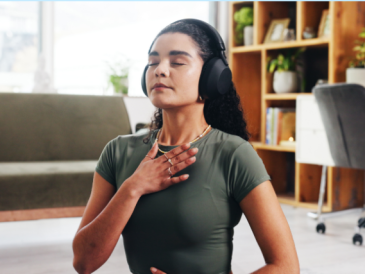
Set a timer for five minutes. Sit somewhere comfortable. Close your eyes or keep them softly focused downward. Pay attention to your breath. When your mind wanders (and it will, constantly), gently bring your attention back to your breath. That’s it.
Ten minutes of daily mindfulness can boost wellbeing and fight depression, so even brief sessions matter. You’re not trying to empty your mind or stop thinking. You’re just practicing noticing your thoughts and coming back to the present moment.
2. Find a Comfortable Position
You don’t need to sit cross-legged on the floor unless that’s comfortable for you. Sit in a chair with your feet flat on the ground. Lie down if sitting is uncomfortable (though you might fall asleep). Stand up. Walk slowly. Any position where you can be alert and aware works fine.
3. Use Guided Meditations
If sitting in silence feels too hard at first, try guided meditations. These are recordings where someone talks you through the meditation, telling you what to focus on and guiding your attention.
There are thousands of free guided meditations online and in apps. Johns Hopkins Medicine offers free guided meditations from their mindfulness program. Many libraries also have meditation apps you can access for free.
4. Be Patient with Yourself
Your mind will wander. A lot. That’s completely normal and expected. In fact, noticing that your mind has wandered and bringing it back is actually the practice. You’re not failing when your mind wanders; you’re succeeding every time you notice and return to the present.
Think of meditation like learning to play an instrument. You won’t be great on day one. But every time you practice, you get a little better.
5. Make It a Habit
The benefits of mindfulness meditation come from regular practice. It’s better to meditate for five minutes every day than for an hour once a month.
Try meditating at the same time every day. Morning works well for many people because your mind is quieter and you haven’t gotten busy yet. But evening, lunch break, or any time that works for you is fine.
About 40% of people in the US meditate every week, making this a sustainable practice for millions. If they can fit it into their busy lives, you can too.
What Are the Disadvantages of Mindfulness?
Let’s be honest and balanced here. While the benefits of mindfulness are substantial and well-documented, it’s not magic and it’s not perfect for everyone.
1. It Takes Time and Practice
You won’t feel amazing after one meditation session. Some people notice benefits quickly, but for most, it takes consistent practice over weeks or months to see significant changes.
This isn’t a disadvantage exactly, but it’s important to have realistic expectations. Meditation is more like brushing your teeth than taking medicine; you need to do it regularly to get the benefits.
2. Some People Experience Difficult Emotions
When you sit quietly with yourself, sometimes uncomfortable feelings come up. Memories you’ve been avoiding. Emotions you’ve been pushing down. This can feel scary or overwhelming.
About 8 percent of participants in meditation studies reported negative effects such as anxiety and depression during meditation practice. For most people, these feelings pass and are part of the healing process. But if you have a history of trauma or severe mental health issues, it’s wise to work with a therapist alongside your meditation practice.
3. It’s Not a Substitute for Medical Treatment
Meditation is a powerful tool, but it’s not a cure-all. If you have depression, anxiety, chronic pain, or other health conditions, don’t stop your medical treatment to meditate instead. Use meditation alongside your doctor’s recommendations, not as a replacement.
Think of meditation as one tool in your toolbox. It works best when combined with other healthy habits like exercise, good sleep, social connection, and medical care when needed.
Real People, Real Results: What the Research Shows
Let’s look at some real numbers that show just how powerful mindfulness meditation can be.
Sarah, a teacher from Ohio, started meditating for just ten minutes each morning before school. After six weeks, she noticed she wasn’t snapping at her students as much. Her headaches became less frequent. She felt more patient with her family in the evenings.
Research involving thousands of people shows that practicing mindfulness led to positive effects that were largely maintained 30 days after the practice ended. This means the benefits stick with you even after your meditation session ends.
More than 90% of women say they find meditation very helpful. People across all ages are discovering these benefits. Almost one-quarter of Gen Z engage in mindfulness or meditation to improve their physical well-being, while older generations use it for holistic health and work-life balance.
The global interest in meditation has skyrocketed. Since 2012, the number of people who practice meditation has tripled. This isn’t a fad; it’s a movement backed by science and sustained by results.
The number of publications on mindfulness reached 2,808 in 2020, with research showing benefits increased by 23.5% per year between 2010 and 2020. Scientists are taking mindfulness seriously because the evidence keeps supporting its effectiveness.
Your Journey Begins Today
The benefits of mindfulness meditation are clear, backed by research, and available to you starting today. You don’t need special equipment, years of training, or hours of free time. You just need a few minutes and the willingness to try.
Let’s recap what mindfulness meditation can do for you:
It can help you feel calmer and less anxious. It can reduce physical pain and lower your blood pressure. It can help you sleep better and get sick less often. It can lift depression and boost your mood. It can sharpen your focus and improve your memory. It can make you more productive at work. It can help you be more patient and kind in relationships.
All of these benefits come from one simple practice: paying attention to the present moment with kindness and without judgment.
Right now, over 60 million Americans are experiencing these benefits. The question isn’t whether mindfulness meditation works; the research clearly shows it does. The question is whether you’ll give yourself the gift of trying it.
You don’t have to be perfect at it. You don’t have to do it for hours. You just have to start. Five minutes today. Five minutes tomorrow. Small steps that add up to big changes.
Your brain is waiting to be trained. Your body is waiting to relax. Your life is waiting to become a little bit calmer, a little bit clearer, a little bit better.
The benefits of mindfulness meditation are waiting for you. All you have to do is take a breath, sit down, and begin.